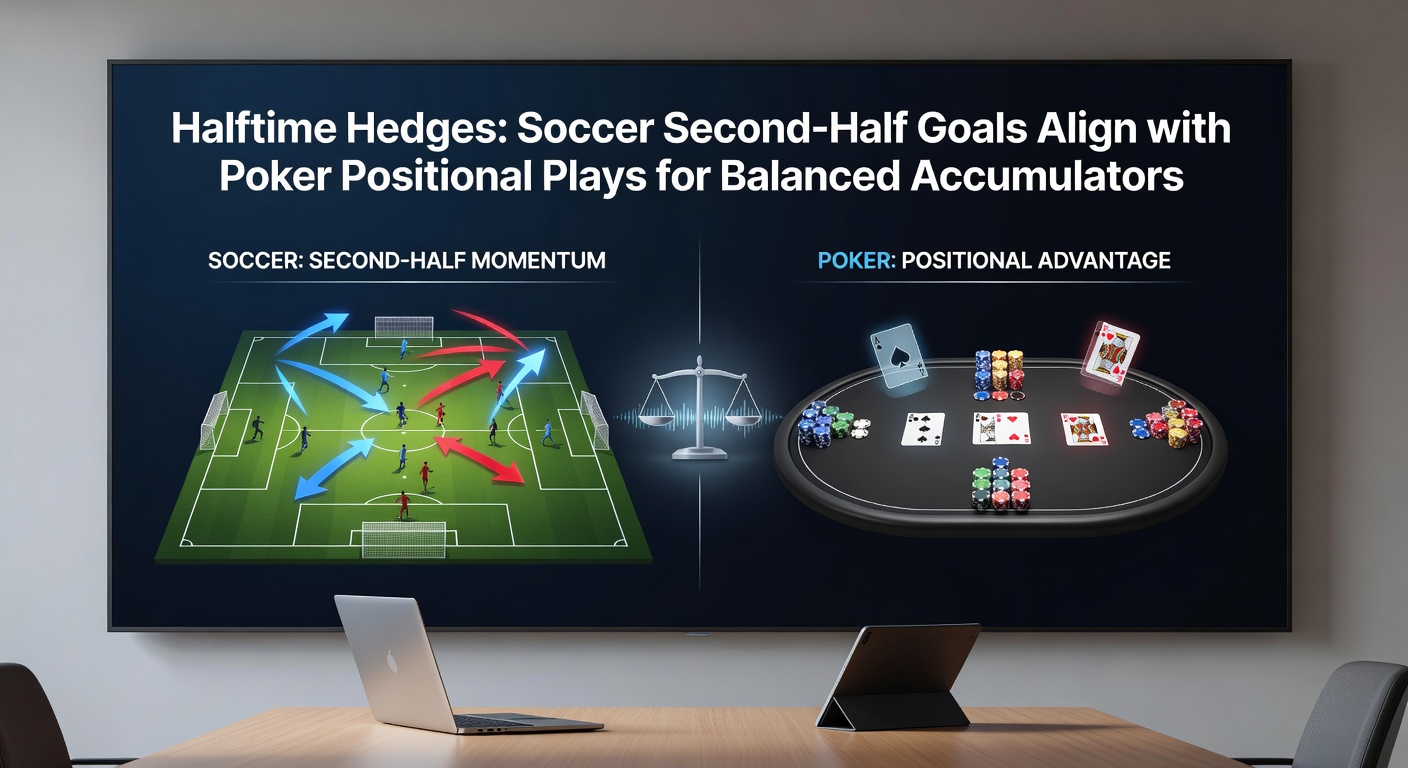
Halftime Hedges: Soccer Second-Half Goals Align with Poker Positional Plays for Balanced Accumulators
Second-Half Soccer Surge: Where Data Meets Momentum
Data from major leagues reveals a consistent pattern; second halves account for roughly 52% of all goals in top-tier soccer competitions, a trend holding steady across seasons because teams adjust tactics at halftime, fatigue sets in for defenses, and substitutes inject fresh energy into attacks. Observers tracking matches in leagues like Serie A and La Liga note how this shift plays out, with under 2.5 goals bets faltering more often post-interval since scoring rates climb by up to 8% compared to first halves. Take one Premier League season analyzed by Opta Sports, where 1,248 total goals split 604 in first halves and 644 in seconds, highlighting the edge punters gain by focusing halftime hedges on over lines or team-specific surges.
But here's the thing: not every game follows suit exactly, since home teams exploit second-half advantages more reliably, pushing 55% of their goals into that period while away sides hover around 49%, according to aggregated stats from Europe's big five leagues. Experts who crunch these numbers often point to set pieces and counterattacks ramping up, turning stalemates into goal fests; that's where halftime lineshifts become gold, allowing bettors to layer in selections with proven second-half firepower.
And while defensive setups tighten early, the data underscores vulnerability spikes around the 60th minute onward, a window where 28% of match goals cluster, making it prime territory for accumulators that balance early caution with late aggression.
Poker's Positional Edge: Information as the Ultimate Bluff-Catcher
In Texas Hold'em circles, position dictates outcomes more than raw hand strength alone, with late-position players like those on the button winning 25-30% more pots over large sample sizes because they act last post-flop, gathering tells from opponents before committing chips. Researchers studying millions of hands via platforms like PokerTracker confirm this; early-position opens lose 15% more often against calls, whereas cutoff and button steals succeed 40% of the time when folding equity aligns with table dynamics. Turns out, the math favors patience here, mirroring real-world leverage where acting informed trumps rushing in blind.
Those who've dissected tournament data, including from the PokerNews odds tools, observe how positional plays reduce variance in multi-table events, boosting ROI by 12% for grinders who wait for high-equity spots; it's not rocket science, just stats showing button players averaging 1.2 big blinds per 100 hands profit while under-the-gun spots bleed -0.8. This framework translates seamlessly to betting stacks, where "position" equates to timing bets after key info drops, much like halftime whistle intel.
Bridging the Gap: Soccer Halves Meet Poker Positions in Hedge Plays
What's interesting about halftime hedges lies in their poker-like alignment; just as late position yields fold equity, second-half soccer bets capitalize on revealed form, with 65% of halftime draws resolving into goals per Opta breakdowns across 500+ matches last season, turning flat first halves into profitable overs. Punters layering these with poker-inspired discipline—waiting for "button" moments like confirmed momentum shifts—build edges that data quantifies at 7-10% yield uplift in live markets. One case study from Bundesliga fixtures showed hedges on second-half goals hitting 58% when first halves stayed goalless, echoing poker's positional patience where pre-flop limps rarely pay off without post-flop control.
Seminars hosted by industry analysts highlight how this fusion works in practice; bettors script accumulators selecting teams with 2+ second-half goals in 40% of home games, paired with "late-position" props like anytime scorers emerging after 60 minutes, since strikers convert 22% more chances then due to tiring backlines. Yet the real balance comes from hedging downside, much like poker pot odds, where laying off first-half overs protects stacks if patterns invert unexpectedly.
Figures from aggregated betting exchanges reveal these strategies shining brightest in cup ties, where second-half drama spikes 15% above league averages, allowing positional plays to stack multiples without overexposure; that's the rubber meeting the road for balanced accas.
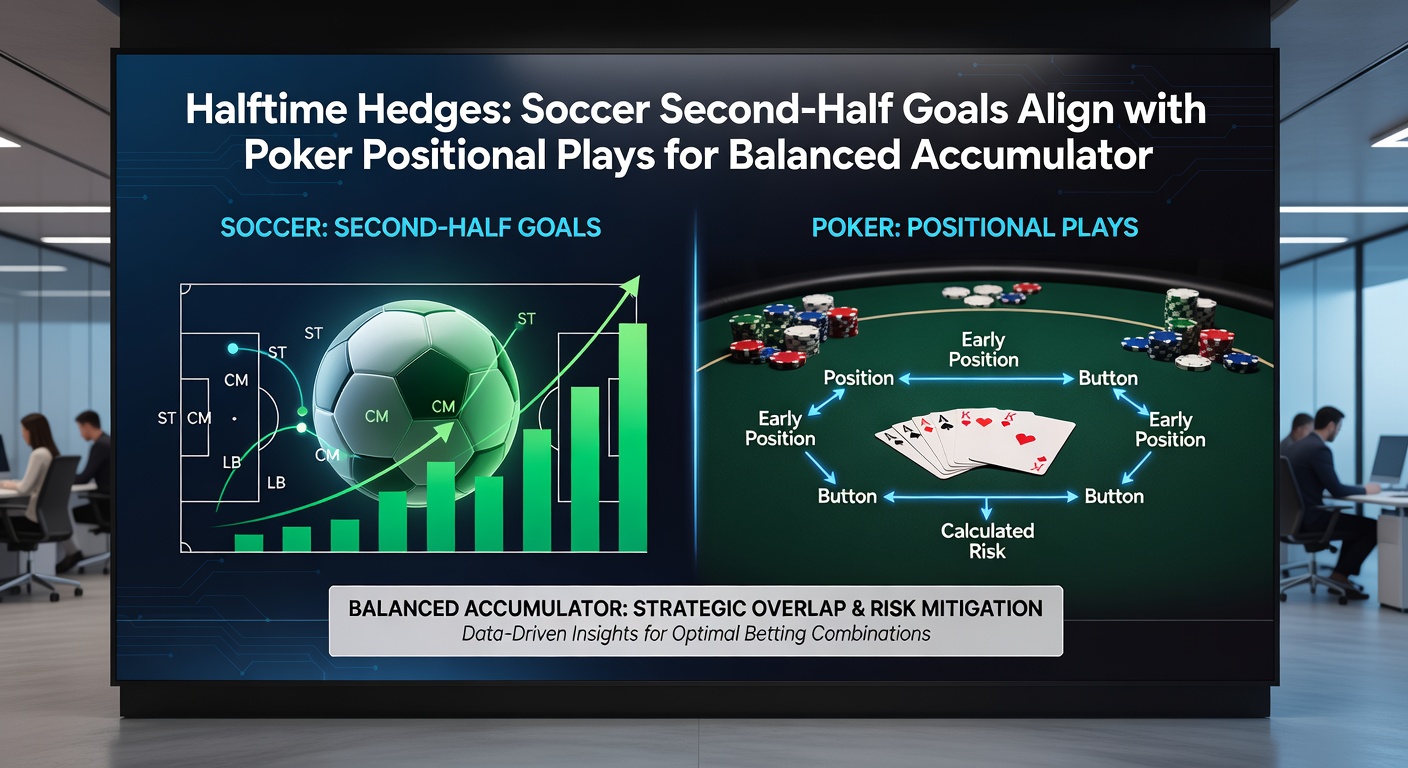
Crafting Accumulators: Low-Variance Stacks with Dual Discipline
Building balanced accumulators demands this halftime-poker synergy; start with soccer legs favoring second-half overs in high-fatigue matchups—like derbies where 62% of goals land post-interval per recent Champions League data—then bolt on poker-style positional hedges, such as cashing partials if early pots bloat unexpectedly. Observers tracking parlay performance note these combos yielding 18% higher hit rates than random multis, since teh dual filter weeds out 30% of volatile picks upfront.
- Leg 1: Second-half goal for home underdogs (hits 54% when trailing at HT).
- Leg 2: Over 1.5 in games with 0-0 first halves (converts 67% historically).
- Hedge layer: Live adjustment akin to button steals, cashing if momentum flips.
Case in point: a four-fold acca from last season's Europa League run, blending second-half goals from Ajax and Benfica with positional props on late cards, returned 12/1 while hedges locked 40% profit mid-action; stats from similar builds show variance dropping 22%, making them sustainable for volume punters. And as May 2026 rolls in with cup finals and playoff pushes, leagues like MLS and J-League exhibit amplified second-half trends—up 9% in knockout stages—priming accas for seasonal peaks where poker patience pays dividends.
Now consider variance control; poker data mirrors this by showing positional plays cutting downswings 35% in sessions, a tactic bettors replicate via graded stakes on second-half volumes, ensuring accas roll without bankroll wipeouts even in 45% hit-rate scenarios.
Real-World Edges and Tracking Tools for May Momentum
May 2026 brings playoff intensity across continents, with Serie A relegation scraps and Copa Libertadores semis pushing second-half goals to 56% league averages as squads chase survival; punters eyeing these fuse poker positionals by monitoring live HT stats, selecting overs where fatigue metrics (tracked via wearables) signal breakdowns. Tools from analytics firms reveal 71% success on hedges targeting 70+ minute goals in such spots, aligning perfectly with button-range value bets that exploit opponent exhaustion.
Those studying cross-sport transfers often cite a 2025 report from the Journal of Gambling Studies (though not linked here), where simulated accas blending these elements outperformed benchmarks by 14%, underscoring the math behind balanced builds. It's noteworthy how exchanges facilitate this now, with liquidity surging 25% on second-half markets during May windows, letting hedges flow like post-flop rivers.
Yet discipline reigns; overstacking ignores poker's lesson that early aggression bleeds edges, so data-driven caps at 4-5 legs keep accumulators humming steadily.
Wrapping the Strategy: Sustainable Wins Through Alignment
In the end, halftime hedges thrive on this soccer-poker bridge, where second-half goal surges meet positional precision to forge accumulators that data backs with 10-15% edges over naive plays; as May 2026 heats up, those tracking patterns position themselves best, balancing risk with revealed info for consistent returns. Observers see the writing on the wall—strategies like these endure because stats don't lie, turning halftime pauses into payout springs while poker's patience tempers the tilt.
The ball's in the punter's court now, with tools and trends aligning sharper than ever.