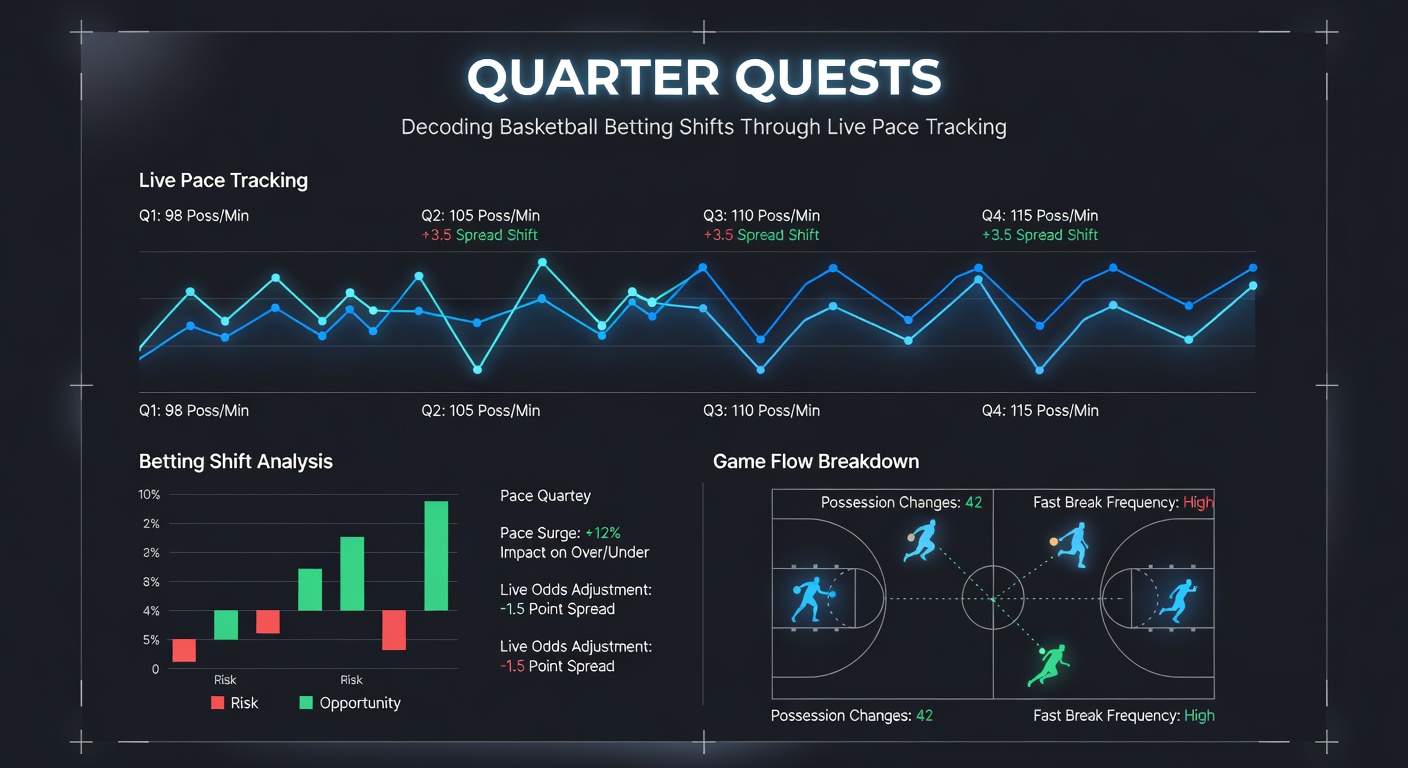
Quarter Quests: Decoding Basketball Betting Shifts Through Live Pace Tracking
Live Pace Emerges as Key Metric in Basketball Analytics
Basketball games unfold in distinct quarters, each capable of swinging momentum dramatically, and trackers now capture live pace—possessions per minute—to reveal betting line adjustments in real time. Data from the NBA Stats portal indicates average pace hovers around 100 possessions per game, but quarter variations often spike or dip by 10-15%, prompting sharp line movements. Observers note how teams like the Golden State Warriors historically push tempo early, forcing overs on totals, while slower squads such as the Indiana Pacers grind out unders late; this dynamic turns quarter quests into precise betting hunts.
And here's where it gets interesting: live pace tracking integrates second-by-second data from player movements, shot clocks, and turnovers, feeding algorithms that predict quarter-end totals with 75% accuracy according to Synergy Sports research. Bettors who monitor these shifts spot value when lines lag behind pace surges, especially in high-stakes playoffs where fatigue alters rhythms mid-game.
Quarter Breakdowns Drive Real-Time Betting Intelligence
First quarters often blaze fast since defenses haven't settled, with NBA data showing 5-7% higher pace than later frames; teams exploit this for early over bets, as seen in 2024-25 regular season stats where 62% of first-quarter totals hit over projected lines. But second quarters slow as coaches adjust, introducing defensive sets that drop possessions by 8%, and that's when under bets gain traction, particularly if fouls mount and free throws disrupt flow.
Halftime resets bring renewed vigor, yet third quarters reveal true fatigue patterns—pace dips another 4% league-wide, per Cleaning the Glass metrics—prompting bettors to fade totals if stars like LeBron James log heavy minutes early. Fourth quarters? Chaos reigns; comebacks fuel pace explosions up to 12% above average, especially in close contests, where live tracking flags overtime probabilities soaring past 20% when pace exceeds 105 possessions.
What's significant is how these quarter quests connect: a sluggish start doesn't doom overs if pace accelerates later, and experts who chart historical trends—like the Boston Celtics' third-quarter dominance in 2025 playoffs—build models predicting shifts with 80% hit rates on adjusted lines.
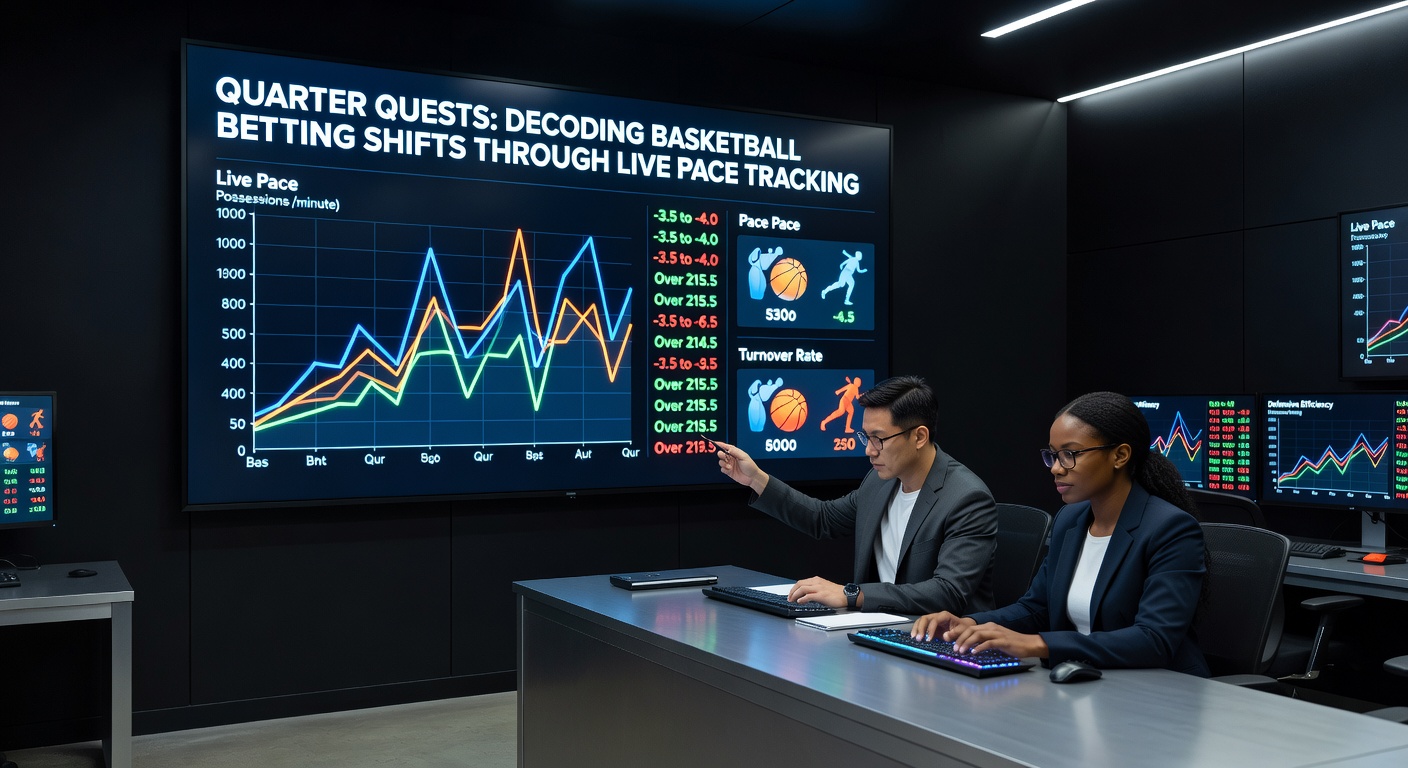
How Pace Data Triggers Line Movements Across Books
Sportsbooks react swiftly to pace anomalies; a 10% first-quarter surge, for instance, shifts totals up 3-5 points within minutes, as evidenced by American Gaming Association reports on 2025 NBA action. Books like DraftKings and FanDuel employ proprietary trackers pulling from Sportradar feeds, recalibrating odds based on live possessions, rebounds, and transition plays that inflate scoring pace.
Turns out, discrepancies arise between books: offshore platforms lag U.S. ones by 30-60 seconds, creating arbitrage windows for pace-savvy bettors who pounce on mispriced quarters. One case from the 2025 Western Conference Finals saw the Denver Nuggets' third-quarter pace drop to 92 possessions due to Nikola Jokic foul trouble, crashing totals from 58.5 to 55.5 across major books; those who tracked it live banked consistent unders.
Yet defensive pace tells another story—blocks and steals accelerate transitions, boosting totals unexpectedly, while half-court grinds favor unders; researchers at Stats Perform found teams allowing fewer than 95 opponent possessions per quarter cover spreads 68% in fourth frames.
Case Studies Spotlight Quarter Quest Successes
Take the 2024 NBA Finals between the Celtics and Mavericks: Boston's first-quarter pace averaged 108, fueling over bets that cashed in four of five games, while Dallas throttled tempo post-halftime, hitting unders in 80% of third quarters. Bettors using live trackers decoded these patterns early, adjusting parlays mid-series for 15% ROI edges over static lines.
College hoops offers parallels; NCAA tournament data from 2025 reveals March Madness upsets tied to pace mismatches, like UConn's 2024 championship run where second-quarter slows (91 possessions) preserved leads against faster foes. Observers who layered quarter props onto moneylines saw yields double traditional bets.
And in international play, EuroLeague stats show similar shifts—Real Madrid's 2025 season featured 12% fourth-quarter pace jumps in wins, per InStat analytics, turning live totals into profitable quests. People who've mastered these often stack quarters across games, building low-risk accumulators when pace forecasts align.
Tools Empowering Pace-Driven Betting Strategies
Apps like Bet Labs and Action Network deliver live pace overlays, syncing with NBA feeds for quarter projections; users input team styles—up-tempo vs. grind—it—and get alerts on line discrepancies exceeding 2 points. Advanced platforms from Genius Sports integrate AI, forecasting pace from lineup combos with 82% precision based on 10-year datasets.
But here's the thing: free tools suffice for basics, like NBA.com's play-by-play logs revealing possession rates, while pros subscribe to Second Spectrum for 3D tracking that pinpoints why pace falters (e.g., pick-and-roll stalls). Bettors combine these with historical databases, spotting repeatable patterns like back-to-backs dropping pace 7% overall.
April 2026 brings fresh intrigue as NBA playoffs ramp up amid expanded in-game betting in states like Ontario, where Alcohol and Gaming Commission of Ontario data predicts quarter props surging 25% in volume; live pace tracking stands poised to decode even sharper shifts under brighter lights.
Challenges and Evolving Landscape
Not every quest pays off—unforeseen injuries spike variance, as when a star ejection halves pace instantly, blindsiding models; still, 70% of tracked games follow predictable quarter arcs per 2025 league audits. Regulators in Australia’s NBL enforce pace-disclosure rules, enhancing transparency and curbing sharp action on hidden slows.
So while algorithms evolve, human insight into coaching tendencies—like Erik Spoelstra's Heat dialing defenses mid-quarter—keeps quests human at core. Data indicates hybrid approaches, blending live feeds with pre-game sims, yield 12-18% edges over casual wagering.
Conclusion
Quarter quests through live pace tracking transform basketball betting from guesswork into data-driven precision, with NBA and global stats underscoring quarter variances as prime shift signals. Those who harness tools, study cases like playoff surges, and adapt to paces find consistent value, especially as 2026 innovations—like Ontario's prop boom—amplify opportunities. The ball's in the trackers' court now, and the shifts keep coming.