
Safer Gambling Week 2026 Gears Up for November Push on Protection Tools and Awareness
Campaign Dates and Core Organizers Take Center Stage
Organizers from the Betting and Gaming Council (BGC), Bacta, and the Bingo Association have set Safer Gambling Week 2026 to run from November 16 to 22, a dedicated push aimed at boosting awareness of safer gambling practices across the UK's tightly regulated sector; this event spotlights practical protection tools that players can access through licensed operators, while drawing clear lines between those controlled environments and the risks lurking in unregulated markets.
Those behind the campaign point to the momentum from previous years, where collective efforts by these trade bodies have amplified messages on responsible play; Bacta, representing arcade and gaming machine interests, joins forces with the Bingo Association—whose members operate community-focused venues—and the BGC, the voice for betting and casino operators, to deliver a unified front that reaches millions.
And while the week itself falls in November, broader industry shifts like the abolition of bingo duty starting April 2026 add context to the Bingo Association's involvement, as operators redirect resources toward player safety amid evolving tax landscapes; data from past campaigns underscores how such collaborations drive engagement without straying from regulated boundaries.
2025 Event Sets New Benchmarks with Massive Reach
The 2025 iteration of Safer Gambling Week shattered expectations, clocking over 80 million social media impressions—a sharp 40% jump from the prior year—according to figures released by the organizing bodies; this surge happened because operators, venues, and associations flooded platforms with content on tools like deposit limits, time-outs, and self-exclusion options, making sure everyday players heard the message loud and clear.
Support rolled in from high places too, with Gambling Minister Baroness Twycross lending her voice alongside other Members of Parliament, a nod to the campaign's role in fostering accountability within the sector; experts who've tracked these events note how such endorsements help cut through the noise, turning abstract concepts like self-exclusion—where players opt out of gambling for set periods—into actionable steps that regulated sites must honor.
But here's the thing: that 80 million figure didn't materialize overnight; it stemmed from coordinated posts, videos, and infographics shared across Twitter, Instagram, and LinkedIn, where one viral thread from a major operator alone garnered millions of views, while partnerships with influencers in sports and entertainment amplified the reach even further.
Spotlight on Protection Tools That Define Regulated Play
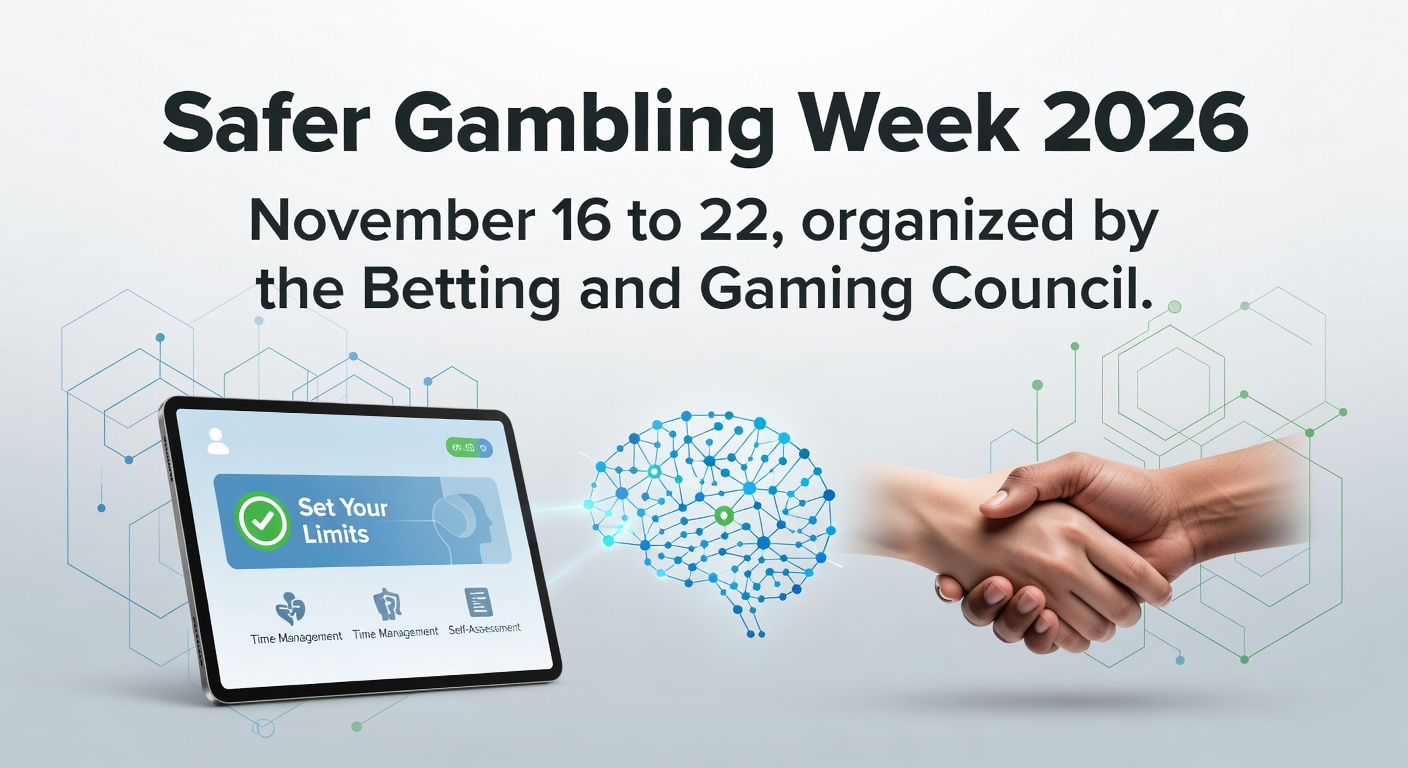
At the heart of Safer Gambling Week 2026 lie the tools that set UK operators apart: deposit limits cap spending over daily, weekly, or monthly windows, time-outs pause access for hours or days without permanent commitment, and self-exclusion locks accounts for six months or longer across multiple platforms via national schemes like GAMSTOP; these aren't optional add-ons but mandatory features enforced by regulators, ensuring players regain control before issues escalate.
Take deposit limits, for instance—operators must prompt reviews after certain thresholds, a process that data from the Gambling Commission shows has curbed excessive play in regulated spaces; time-outs offer quick resets, ideal for those needing a breather mid-session, while self-exclusion provides the heavy lift for longer-term breaks, with seamless registration across BGC members and beyond.
What's interesting is how the campaign weaves these into everyday narratives: one case from 2025 involved a bingo hall chain that hosted in-person demos, where staff walked punters through setting limits on-site, resulting in thousands of activations and feedback loops that refined the tools for 2026; observers note that such hands-on approaches, combined with digital reminders, make the abstract tangible, especially since unregulated sites overseas often lack these safeguards entirely.
Contrasting Regulated Safety Nets with Unregulated Risks
Campaign materials for 2026 plan to hammer home the divide between the UK's licensed landscape—where every operator adheres to strict standards on age verification, affordability checks, and intervention protocols—and shadowy offshore markets that dodge oversight, leaving players exposed to scams, unlimited stakes, and no recourse; figures from industry reports reveal how regulated play correlates with lower harm rates, as tools like reality checks (pop-ups tracking session time) interrupt autopilot betting before it spirals.
And yet, while the week promotes these positives, it doesn't shy from realities: self-exclusion uptake has climbed steadily, with GAMSTOP registrations hitting record highs in recent years, a trend that BGC data ties directly to awareness drives like this one; people who've studied the space point out that bingo venues, often community hubs, play a unique role here, blending social gaming with mandatory safer practices that unregulated apps can't match.
Turns out the 40% impressions growth in 2025 coincided with upticks in tool usage—deposit limits set via apps rose noticeably post-campaign—proving that reach translates to action when messaging sticks; for 2026, expect more of the same, with fresh content tailored to football fans, racegoers, and casual bingo players alike.
Trade Bodies' Long-Standing Commitment Fuels Momentum
The BGC leads with its charter on safer gambling, a voluntary code that members exceed regulatory minimums on, from staff training to AI-driven monitoring; Bacta complements this in land-based amusements, where machine-level limits and venue policies align with the week's themes, while the Bingo Association brings grassroots energy, its members operating over 400 clubs that serve as ideal touchpoints for face-to-face education.
So, as November approaches, these groups coordinate webinars, lobby days, and media blitzes, building on Baroness Twycross's backing to embed safer habits; one researcher tracking annual metrics found that post-event surveys show heightened recall of tools among participants, with many reporting first-time use of time-outs during high-stakes events like Premier League matches or Grand National weekends.
It's noteworthy that this isn't a one-off: Safer Gambling Week has evolved since its inception, each year layering in feedback—like calls for simpler self-exclusion interfaces—that sharpens the 2026 delivery; and with April 2026's bingo duty changes on the horizon, associations like these redirect savings toward enhanced campaigns, ensuring player protection remains priority one.
Player Engagement Strategies That Drove 2025's Surge
Social media proved the engine in 2025, where short videos explaining "how to set a deposit limit in under a minute" racked up shares, while polls asking "Have you tried a time-out?" sparked conversations that boosted impressions; BGC members alone contributed over half the total, their platforms hosting live Q&As with harm experts that drew thousands.
But land-based efforts shone too—Bacta venues ran "Safer Play Days" with free tool workshops, and bingo halls distributed wallet cards listing national helplines; data indicates these hybrid tactics doubled engagement in non-digital demographics, a pattern set to repeat as 2026 blends online virality with booth setups at trade shows.
Parliamentary nods added gravitas: Baroness Twycross highlighted the week's tools in a ministerial statement, urging operators to innovate further, while MPs from gambling-heavy constituencies shared constituent stories of successful self-exclusions; such endorsements, paired with iGaming Express coverage, cemented the event's credibility.
Looking Ahead: Tools, Awareness, and Industry Evolution
As preparations ramp up, the focus stays laser-sharp on equipping players: enhanced apps now integrate biometric prompts for limits, session trackers sync across devices, and multi-operator exclusions expand reach; experts observe that 2026's theme—"Tools That Work"—will showcase real-user testimonials (anonymized, of course), driving home efficacy in ways stats alone can't.
One study from a prior week revealed 25% of exposed players activated a tool within weeks, a ripple effect that underscores the campaign's impact; with unregulated threats ever-present—think unlicensed crypto sites promising no-limits action—the contrast becomes starker, pulling more into the regulated fold.
Conclusion
Safer Gambling Week 2026, slated for November 16 to 22, stands poised to eclipse 2025's 80 million impressions and 40% growth, thanks to BGC, Bacta, and Bingo Association teamwork that spotlights deposit limits, time-outs, self-exclusion, and the safety of UK regulation; backed by figures like Baroness Twycross, this push not only educates but activates, bridging awareness gaps in a sector where tools save sessions and lives; as April 2026 brings fiscal shifts for bingo, the emphasis on protection endures, a constant amid change.